From Burns to Grime: The Five-Syllable Trick Britain Has Been Passing Down for Centuries
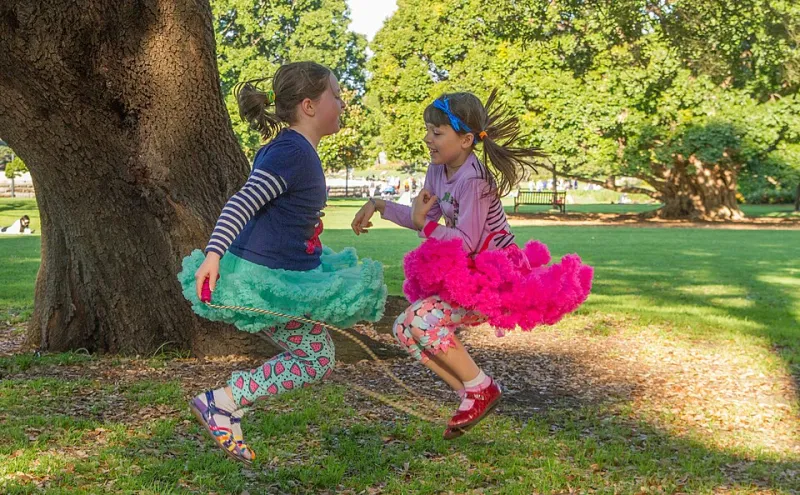
Photo: Maksym Kozlenko, CC BY-SA 4.0, via Wikimedia Commons
The girl in the playground had no idea she was a folklorist
It's a grey Tuesday in Alloa, Clackmannanshire, and a group of nine-year-olds are playing skipping games against a wall that has probably heard a thousand of them. One girl is chanting:
I like coffee, I like tea, I like the boys and the boys like me...
Ask her where the rhyme came from and she'll shrug. Her pal? Her pal's pal? The truth, as folklore collectors like the team behind the Opie Archive and projects such as Playground Observed have documented for decades, is that nobody knows. These rhymes have no author, no copyright, no official version — and yet they spread with the efficiency of the internet, because they are the internet. A low-bandwidth, child-operated network running since long before the first modem.
And here's the thing that should make language lovers sit up: the same rhyming machinery powering that skipping chant also powered Robert Burns, powers Stormzy, and will still be powering whatever teenagers listen to in 2085.
Rhyme is a technology, and it's about 3,000 years old
Linguists sometimes describe rhyme as a mnemonic encoding system — a way of making language stick in memory when there's nothing to write it on. Before widespread literacy, if you wanted words to survive, you gave them a rhyme. The sound at the end of line one becomes a puzzle the brain must solve at the end of line two. Prediction, reward, recall. It's the dopamine loop of oral culture.
That's why the oldest British verse we have is rhymed or alliterative. That's why legal phrases still come in pairs — cease and desist, null and void — fossilised memory-aids from an age when a lawyer's memory was the filing cabinet. And that's why, when Burns sat down in eighteenth-century Ayrshire to write in Scots, he wasn't doing anything exotic. He was using the people's technology: rhyme, rhythm, and a good hook.
The classless art form
Here's what makes rhyme genuinely special in Britain: it's the one art form that has never respected class boundaries.
- The drawing room had hymnals and parlour verse.
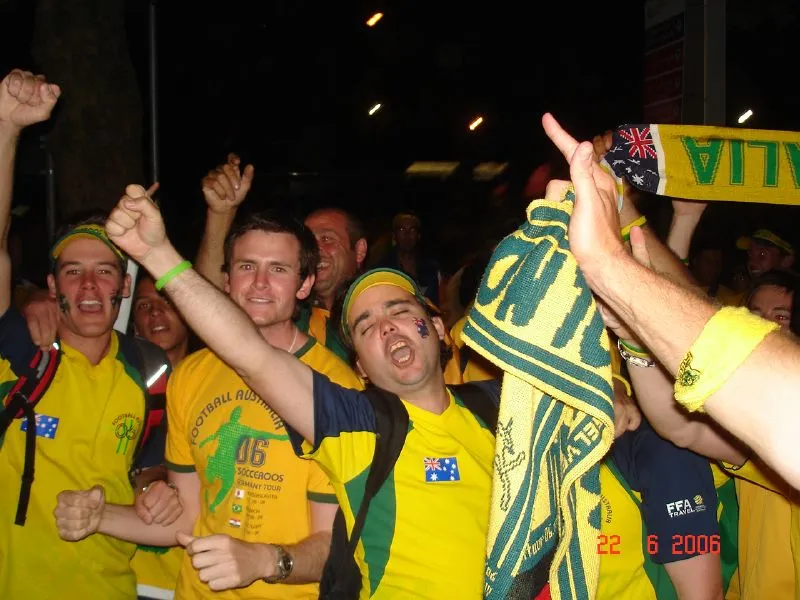
- The terraces had chants — who's that dying on the runway? — built from playground rhythms and terrace humour.
- The playground had skipping songs, clapping games, and insults traded in perfect iambic pairs.
- The estate had jungle, garage, grime — syllable-dense rhyme schemes that would leave most published poets needing a lie-down.
Dr Lucy Green, who studies playground folklore, has noted that children's rhymes mutate constantly — a pop lyric gets absorbed, chopped, and re-rhymed within weeks of release. When Crazy Frog was inescapable, playground versions appeared before the summer holidays ended. When Stormzy headlined Glastonbury, bars from Crown were being chanted in schoolyards days later.
The pipeline runs both ways. Grime lyricists grew up on the same skipping rhymes as everyone else. Jafaris, a Birmingham grime artist and educator I spoke to about this piece, put it plainly: "Grime is just the playground with better production. You learn flow from clapping games before you ever write a bar. The rhythm's already in your hands."
What Stormzy and a skipping rope have in common
Strip the production away and look at the mechanics:
The skipping rhyme: short lines, strong end-rhymes, a beat synced to physical movement (the rope turning).
The terrace chant: short lines, strong end-rhymes, a beat synced to physical movement (the bounce, the clap).
The grime bar: short phrases, dense internal and end-rhymes, a beat synced to physical movement (the head-nod, the crowd's response).
Same skeleton. Same cognitive trick. The context changes — rope, terrace, stage — but the technology is identical, passed hand to hand like a well-worn coin. That £5 rap some teenager scribbles in a school book in Alloa is a direct descendant of Burns's Tam o' Shanter, which itself was descended from fireside ballads nobody wrote down.
Why rhyme refuses to die (and why that matters)
Every generation, somebody declares rhyme dead. The Romantics sneered at it. The modernists abandoned it. And every generation, it comes roaring back — because it was never a fashion. It's infrastructure.
For educators, this is worth taking seriously. Teachers report that children who "can't" memorise times tables can recite forty lines of a playground chant without error. Rhyme lowers the cognitive cost of language. It's a doorway, not a decoration.
For the rest of us, it's worth something gentler: proof that the most sophisticated language play in Britain isn't happening in creative writing departments or advertising agencies. It's happening against a wall in Alloa, by children who will never be credited, passing a three-thousand-year-old technology to the next kid in the queue for the rope.
Every language tells a story. Sometimes it rhymes.