The Grandmother Test: Learning Your Family's Language as a Total Stranger
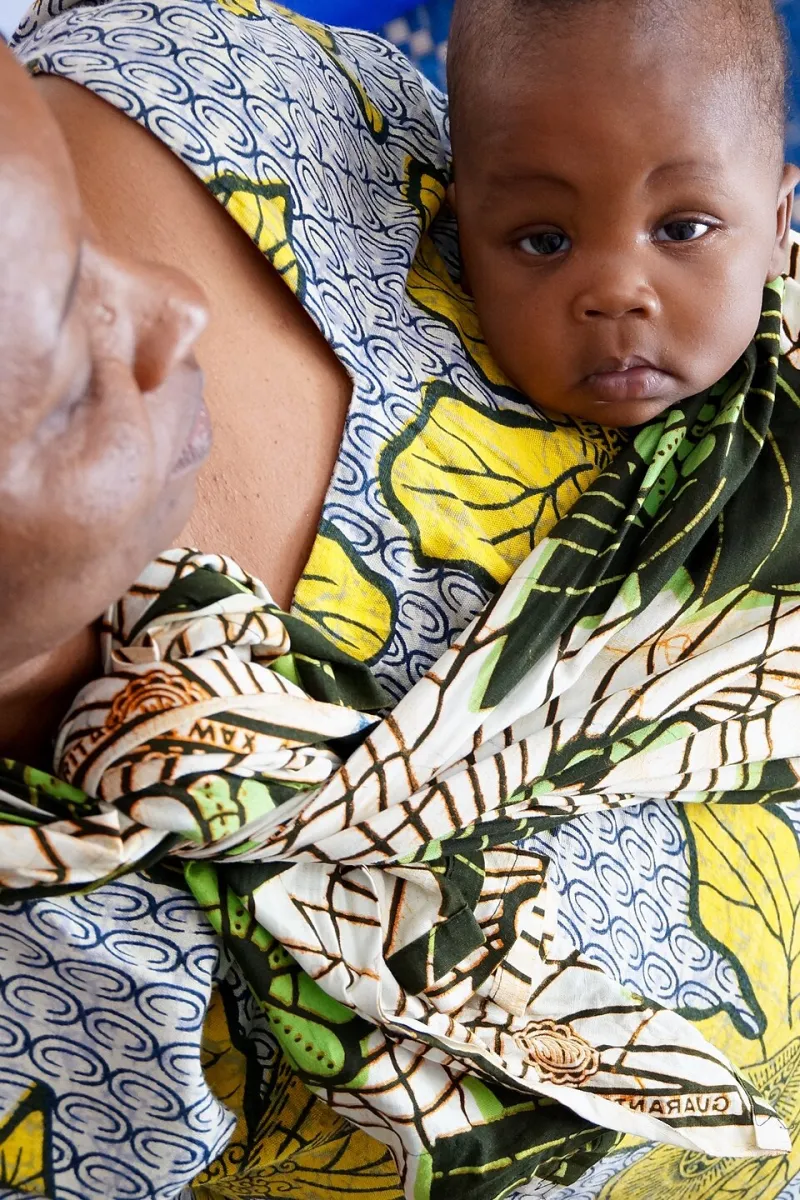
Photo: Sophiestolle, CC BY-SA 4.0, via Wikimedia Commons
There's a particular kind of humiliation reserved for heritage language learners. It's not the classic holiday blush of ordering a beer in the wrong tense. It's sitting at your auntie's kitchen table in Peckham, having rehearsed a sentence for three weeks on an app, and watching your grandmother's face as you say it — badly, haltingly, like a tourist in your own family.
I know because I did it. And I'm one of thousands.
The Silence Was a Strategy
For most of the twentieth century, the deal immigrant parents made with Britain was straightforward: we adapt, our children thrive. Language was often the first thing traded away. Polish parents in the 1950s were told by teachers that speaking Polish at home would 'confuse' their kids. Yoruba and Punjabi parents in the 70s and 80s made the calculation — sometimes consciously, sometimes not — that English was the ticket, and everything else was ballast.
So a whole generation grew up understanding fragments but speaking none. The classic heritage learner isn't starting from zero; they're starting from a guilty half-zero. You can hear the shape of a language your whole childhood — the rhythm of your parents arguing, the sing-song of phone calls to relatives — without being able to produce a single sentence of it.
Linguists call it 'receptive bilingualism'. Everyone else calls it 'I know what mum's on about but I can't answer her'.
Why Now?
Walk into any community evening class from Cardiff to Croydon and you'll notice the same thing: the room is full of adults in their twenties and thirties, laptops open, apps humming. Duolingo's Welsh course has been wildly oversubscribed by learners far beyond the borders. Yoruba and Igbo classes in London have waiting lists. Gujarati teachers report a boom that nobody in the community predicted.
Part of it is practical — heritage speakers can get to conversational level absurdly fast compared to genuine beginners. The grammar is already in there somewhere, dormant. But mostly it's something less measurable: a feeling, sharpened by lockdown and by grandparents getting older, that a door is closing.
When the last fluent speaker in your family is eighty-two, the language stops being an inheritance and starts being a deadline.
The Awkward Middle Phase
Here's what nobody warns you about: for a while, learning your family's language makes you feel more foreign, not less. You stumble through greetings you should have known since birth. Relatives correct you with a mixture of delight and pity. There's a strange grief in realising how much was withheld — not maliciously, but withheld all the same.
One woman I spoke to, a second-generation Polish-Briton in Leeds, put it beautifully: 'I'm learning Polish the way a stranger would, but I cry like a native.'
TikTok has quietly become the heritage learner's evening class. Search 'teach me Yoruba' or 'Punjabi for desis who can't speak Punjabi' and you'll find British-born creators building tutorials for people exactly like them — complete with the in-jokes, the shame, the running gags about parents who 'understood everything but never taught us'. It's language learning stripped of the textbook, and it works precisely because the audience already has the emotional wiring.
The Grandmother Test
But the moment that keeps people going — the one every heritage learner chases — is the reveal. The video call where you open with a full sentence. The Christmas dinner where you ask for the gravy in your grandmother's language and she goes silent, then laughs, then cries, then launches into a story she's never told in English because it never had the right words before.
That moment is why the evening classes are full. Not employability. Not travel. Just one elderly person's face changing.
And something else happens too, something the learners don't expect: the language comes with furniture. Proverbs, jokes, terms of endearment that don't translate, a whole way of being affectionate or cross or funny. Learning it as an adult means learning not just words but the emotional register your family kept private for fifty years. You inherit the parts of your grandmother the English language never got to meet.
Every Language Tells a Story — Even a Half-Remembered One
The beautiful thing about heritage language revival in Britain is that it's rewriting the old assimilation story. The deal our grandparents struck wasn't wrong — it bought real safety and real opportunity. But their grandchildren are going back for the thing that was left behind, and finding it mostly intact, waiting.
A language survives a generation of silence better than you'd think. It lives in surnames, in recipes, in the odd word that slipped through — the way so many British families say a specific word for grandmother or a specific word for 'come here' that no English word quite replaces.
If you're thinking about starting: do. Buy the textbook, download the app, find the Saturday class at the community centre. Prepare to be embarrassed. Prepare to be corrected by teenagers. And prepare, one day, to pass the grandmother test.
She's been waiting to hear from you in her own language your whole life. She just didn't know how to ask.