The Sky Speaks in Tongues: How Britain's 300 Languages Describe the Weather
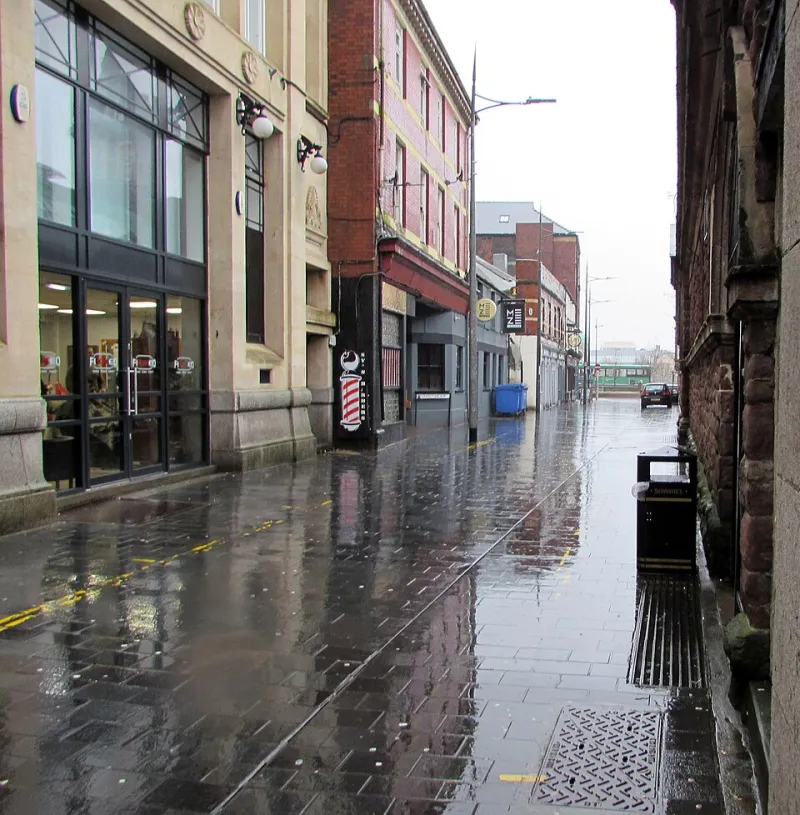
Photo: Jaggery , CC BY-SA 2.0, via Wikimedia Commons
Stand at any bus stop in Britain and you'll hear it: the national small talk ritual. 'Turning out nice, isn't it?' 'Bit of rain on the way, they reckon.' We are, by most estimates, the weather-chattiest nation on the planet — and yet we do all this chatting in a remarkably small linguistic space.
There are more than 300 languages spoken in the UK today. So what would our favourite conversation sound like if we borrowed a few words back?
One Rain, Many Rains
Start with the obvious problem: English is famously poor at rain. We have 'drizzle', 'spitting', 'chucking it down' and, if you're from Scotland, 'dreich'. That's about the inventory. Compare that with Welsh, which offers pitw (fine, misty rain), glaw mân (little rain) and the gloriously specific glaw a heulog — sunshine and showers at once, a forecast the Met Office might call 'bright spells'.
Or take Urdu and Hindi, spoken in millions of British homes. Both languages carry a whole seasonal vocabulary English never needed: barsaat is the monsoon rain itself, an event with personality, while sawan names the entire rainy month as a feeling — romance, longing, hot chai. When a British-Asian grandmother says the weather is barsaat wala, she isn't giving a forecast. She's setting a mood.
When the Wind Has a Name
Linguists call it 'polysemy in the wild', but the rest of us just notice that other languages treat weather as a character rather than a condition. Polish speakers might say gdzie siadło, tam się rozsiadło of a stubborn cloud — 'where it sat down, it settled in'. Somali, spoken widely in Cardiff and London, has a rich seafaring vocabulary for winds that sailors once navigated by, each direction and mood with its own word.
And then there's Gaelic. Scottish Gaelic historically distinguished so many varieties of rain, mist and murk that a single hillside could have three words for its weather depending on the hour. Weather forecasting in Gaelic isn't translation from English — it's a homecoming.
The Forecaster's Dilemma
We spoke to a broadcast meteorologist who occasionally records forecasts in community languages for diaspora radio. Her verdict? 'The hard part isn't the science. It's that every language has a different idea of what weather is. In English, weather happens to you. In lots of other languages, it's something you're inside of.'
That difference matters. Idioms about storms and sunshine reveal what a culture fears, celebrates, jokes about. English worries about rain ruining plans. Bengali poetry worries about rain failing to arrive. Same island skies, opposite anxieties.
A Wetter Vocabulary
So here's a small experiment for your next bus stop conversation. Instead of 'miserable out', try dreich if you're north of the border, or borrow pitw for that indecisive mist. Say barsaat when the heavens properly open and it feels like an event rather than an inconvenience.
Britain already has the multilingual weather conversation — it's happening in kitchens, mosques, playgrounds and taxis across the country. The rest of us just haven't been invited yet. The sky, after all, speaks every language. It's only polite we learn a few of them back.