Lonely,Swagger,Bedazzled: Ten Shakespeare Words You Used This Week Without Noticing
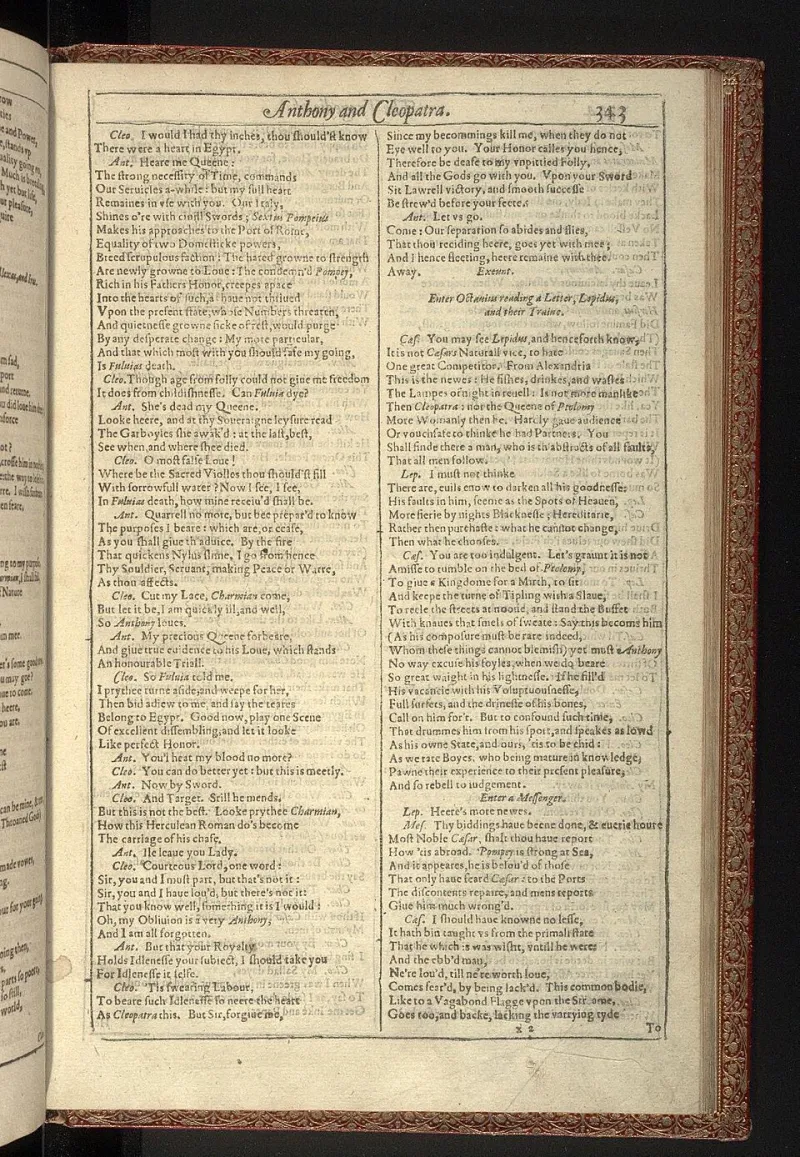
Photo: William Shakespeare, Public domain, via Wikimedia Commons
There's a game linguists play: name a word, and someone claims Shakespeare invented it. The truth is messier than the legend — the Bard often gets credit for words that simply appear in print first in his plays, which may mean he coined them or may mean he just got to the printing press first. Either way, the plays are a linguistic crime scene littered with words that escaped and never came home.
Here are ten of the best, with the scene they came from and the life they've led since.
1. Lonely
Coriolanus gives us the first recorded use — 'the lonely dragon', of all things, in a play about a grumpy Roman. Four centuries later, it's the word for the defining emotional experience of the modern age, from Beatles albums to loneliness ministers.
2. Swagger
From A Midsummer Night's Dream: 'I'll walk with a major span of swagger'. These days it's been through hip-hop, football punditry and every Premier League manager's post-match interview. A word that's been cool for 400 years without once becoming embarrassing — a record.
3. Bedazzled
The Taming of the Shrew uses it to mean confused or dazzled. Then a certain craft brand borrowed it for rhinestones, and now the word conjures glue guns rather than enchantment. Shakespeare would either be appalled or delighted.
4. Unreal
Hamlet has 'an unreal mockery', describing a play-within-a-play. Teenagers then spent the 1980s and 90s using it to mean brilliant. Not many words travel from Elsinore to the school playground via so few stops.
5. Manager
Yes — A Midsummer Night's Dream again. The 'managers' of the mechanicals' play give us a word now attached to football clubs, office kitchens and the phrase 'per my last email'. Arguably Shakespeare's most consequential invention.
6. Gossip
It existed before as a noun — godsib, a godparent, a familiar friend — but A Midsummer Night's Dream is where it becomes a verb. Britain then spent the next four centuries turning it into a national sport, complete with dedicated TV shows.
7. Undress
The Taming of the Shrew again — 'undo this bundle, undress you'. The word now does everything from wardrobe mallocations to the phrase 'undressing someone with their eyes'. The Bard would have enjoyed the double entendre; he practically invented the trade.
8. Fruited
The Tempest: 'the never-surfeited sea' and, elsewhere, the verb 'fruit' in new forms. But the real prize is 'fruitful' and its cousins, which migrated straight into the language of policy documents and the phrase 'fruitful discussions' — the most reliably meaningless phrase in British politics.
9. Cold-Blooded
King John gives us 'cold-blooded' as an adjective for murder. It then wandered off to describe reptiles, contract killers and, in Britain, anyone who takes the last biscuit without offering the packet round.
10. eyeball
The Tempest: 'his eyeballs'. Yes, it's that simple — before Shakespeare, English had no single word for the thing. He just... made one. Every optician, every horror film, every 'eyeball to eyeball' standoff in a committee meeting owes him rent.
Why We Kept Them
There's no committee deciding which Shakespeare words survive. They stuck for the same reason all words stick: they filled a gap, sounded good in the mouth, and arrived attached to plays that schools force every teenager to study. Exposure is destiny, linguistically speaking.
So next time you describe a deadline as 'unrealistic', gossip about a colleague, or tell a mate their new coat has 'swagger', remember you're quoting a quill from the 1590s. Every language tells a story — and a surprising amount of ours was written by one man with a bad habit of inventing words when the existing ones wouldn't do.